ORPHARMA supports research questions. Intelligence organizes evidence. Foundry develops AI models and practical systems for inspection and image analysis.
WHERE WE BEGAN
Why? Why revisit existing medicines?
Small patient populations make new rare-disease treatments costly and slow to develop. ORPHERA began by exploring new possibilities for existing approved medicines.
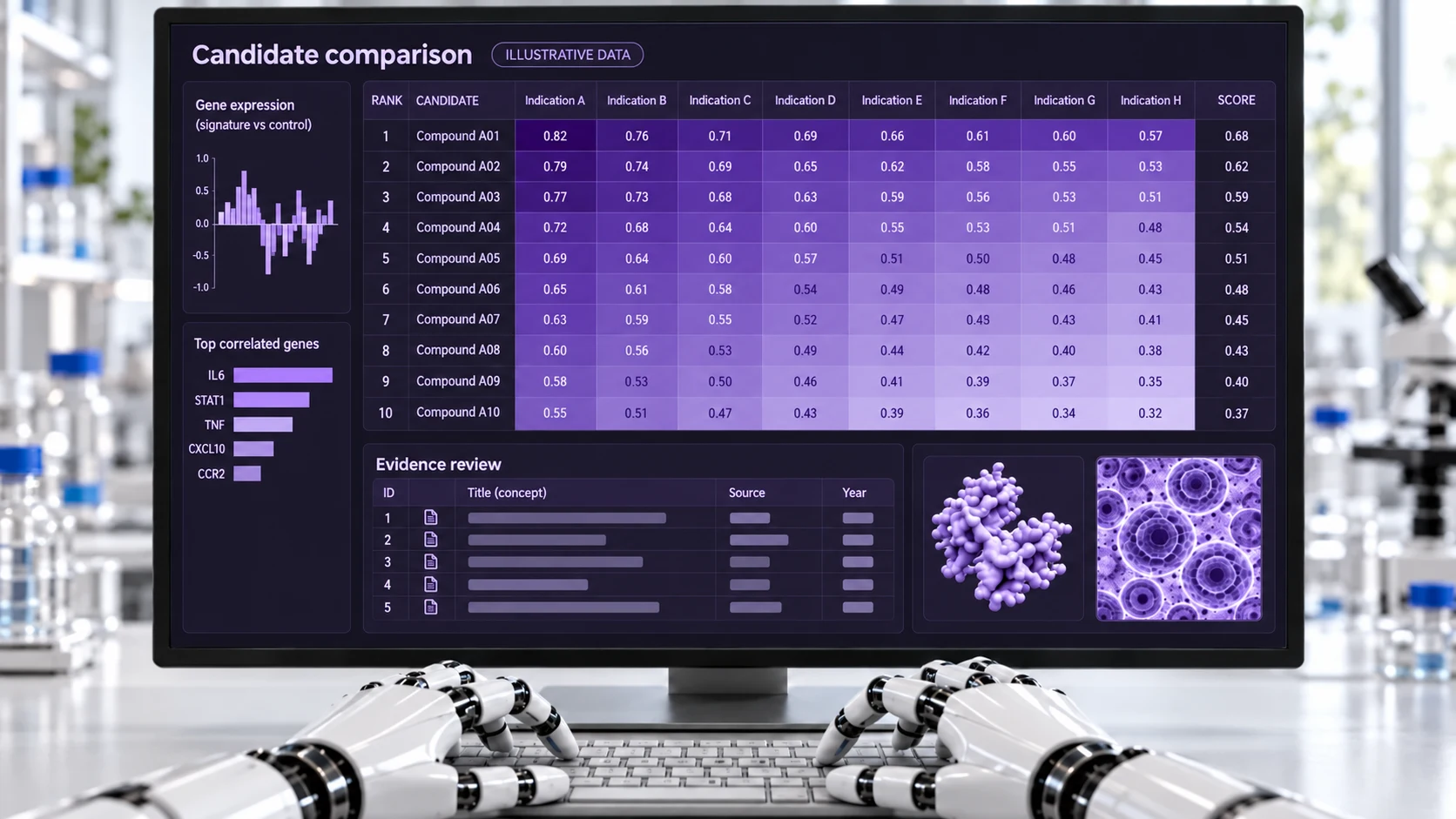
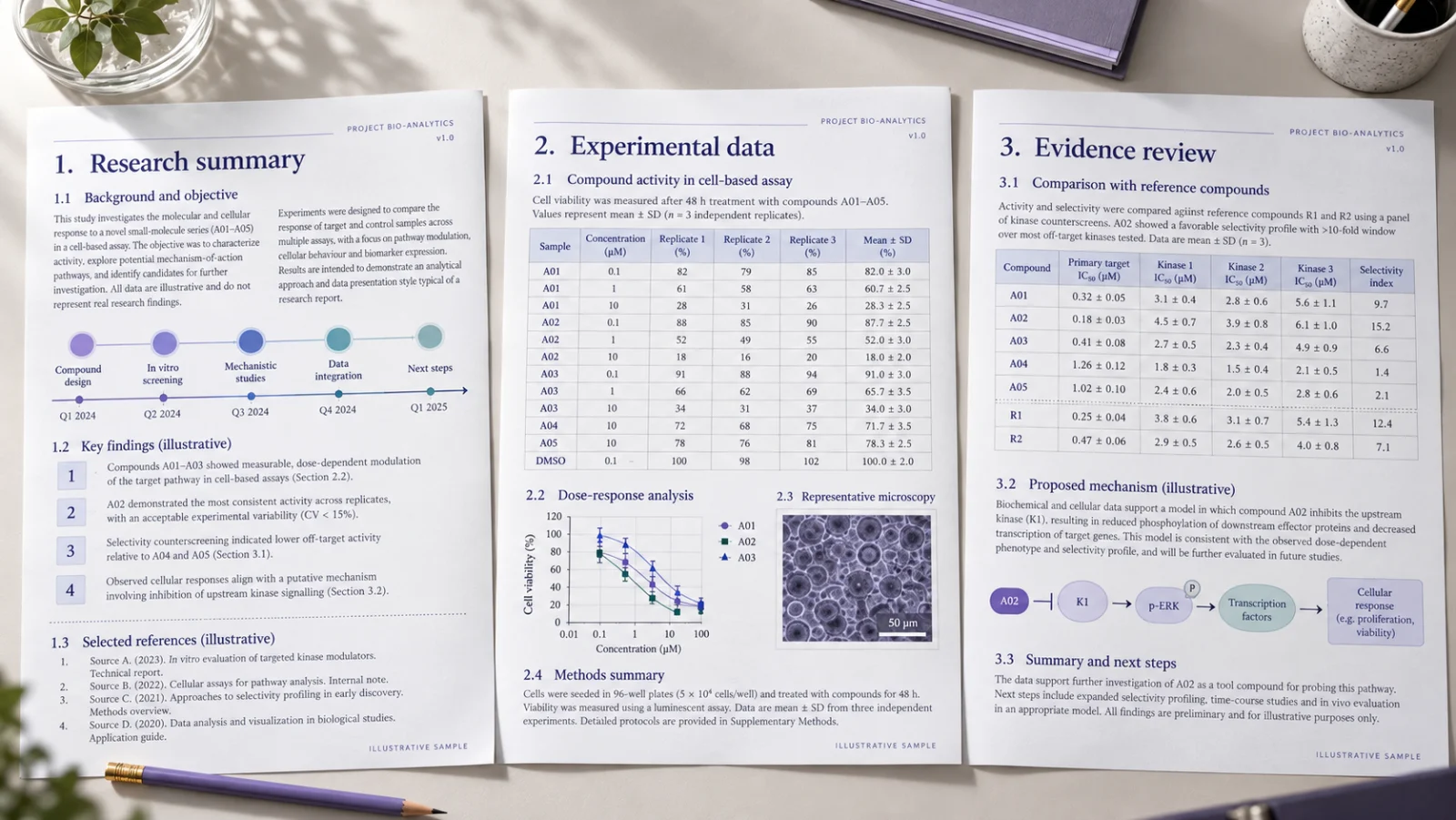
We organize candidates and evidence through gene-expression analysis and explainable mechanism assessment. Foundry applies this AI development experience to inspection and image-analysis workflows in other organizations.
~10,000Known rare diseases
95%Rare diseases without an FDA-approved treatment
These retrospective rediscovery cases connect computational rankings with prior research, suggesting potential for prioritizing new drug-repurposing candidates.
Internal retrospective comparison with prior research; not validation of predictive performance on new candidates or of clinical efficacy.
TECHNOLOGY 02
ORPHARMA · Explainable mechanism assessment model
ORPHARMA · After trainingGPT-5.6-solORPHARMA · Before training
0255075100
36.1%
76.5%
58.0%
Standard testn = 119
41.2%
69.9%
67.6%
Gene-split testn = 296
39.8%
69.9%
63.9%
Drug-split testn = 249
30.4%
65.2%
63.0%
Gene & drug-split testn = 46
On smaller screens, scroll horizontally to compare all conditions.
Absolute scores · All bars use a 0–100% scale
Original scores & sample sizes
Original acc4 · 27B before/after and GPT comparison